The Difference Between Adult Content Previews and What Is Provided After Payment
A preview is often the first thing viewers see before deciding whether to purchase premium content. Because it lasts only a few seconds or minutes, many people expect it to accurately represent everything included after payment. In reality, a preview is created for a different purpose. It introduces the creator’s work, demonstrates production style, and provides a brief impression without replacing the complete product.
This difference explains why the paid version sometimes feels very different from the preview. The content itself may be the same production, but the way it is presented before and after payment is often designed to serve different goals. Understanding those differences helps viewers set realistic expectations and better understand what access to the full release actually provides.
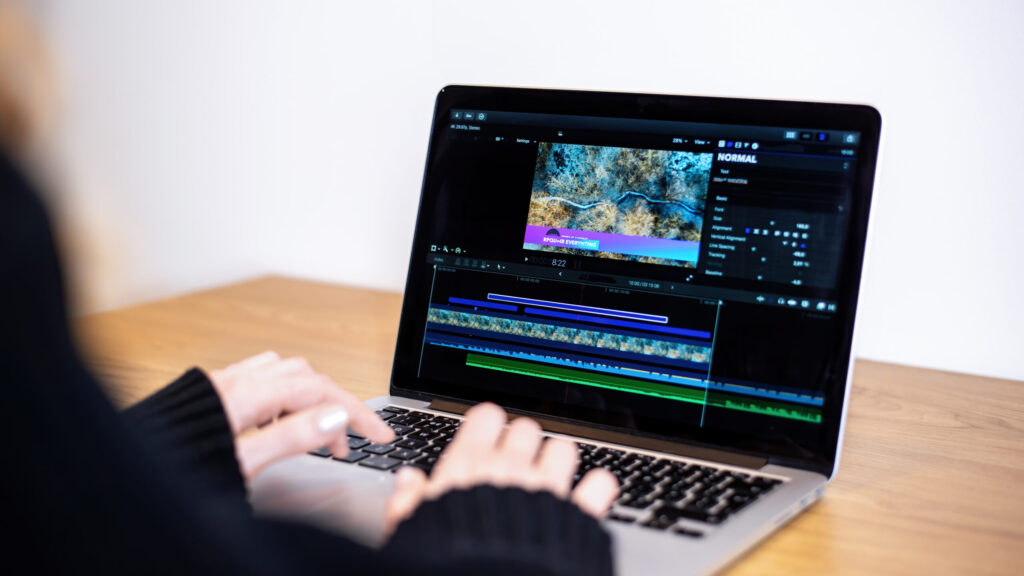
Public Previews Are Built to Introduce, Not Replace, Premium Content
Public previews are designed to attract attention while protecting premium material. Instead of presenting an entire scene, creators usually select short highlights that demonstrate the visual style, production quality, performers, or overall atmosphere.
Many platforms also place restrictions on public previews. Videos may be shortened, compressed, watermarked, or edited specifically for promotional use. These changes help prevent previews from becoming substitutes for the paid release while still giving potential buyers enough information to understand the type of content being offered.
For creators, previews are also an opportunity to establish expectations. Rather than revealing every detail, they provide a representative sample that encourages viewers to explore the complete production.
The Full Release Extends Beyond the Highlight Reel
The largest difference after payment is not simply a longer runtime—it is the complete viewing experience.
A preview usually skips directly to visually engaging moments, removing introductions, transitions, and slower sections. The full release restores those missing parts, allowing the production to follow its intended sequence from beginning to end.
Presentation also changes. Depending on the platform, buyers may receive higher-quality video files, cleaner image presentation without promotional watermarks, or downloadable versions alongside streaming access. Some services also organize purchased content with chapter markers or multiple playback formats that are unavailable in public previews.
Rather than adding completely different scenes, the paid version typically expands the material already introduced by the preview and presents it without promotional editing.
Edited Clips Can Create Different Expectations
One reason previews sometimes feel more exciting than the paid version is the editing process itself.
Promotional clips are usually assembled from several memorable moments placed close together. Fast transitions, carefully selected camera shots, and condensed pacing create a stronger first impression than the complete scene naturally provides.
Once the full version begins, viewers experience the original pacing instead of the promotional edit. Conversations, transitions, pauses, and other contextual moments become part of the presentation, making the content feel more balanced and complete.
This difference should not automatically be interpreted as lower quality. A trailer is designed to maximize attention within a limited amount of time, while the full release is designed to deliver the creator’s complete work without removing the connecting moments that give the production structure.
Extra Content Depends on the Platform Rather Than the Preview
The additional material available after payment varies considerably between platforms and creators.
Some purchases unlock only the complete video, while others include downloadable versions, higher resolutions, alternate camera angles, photo galleries, subtitles, scene information, or behind-the-scenes material. Membership-based platforms may also provide ongoing access to future releases, creator updates, or exclusive posts that are never mentioned in the preview itself.
Because these features depend on the platform rather than the preview, two similar promotional clips can lead to very different purchases. Reading the product description is often more informative than assuming every paid release offers identical extras.
The Product Description Defines What Buyers Actually Receive
The preview attracts attention, but the product listing explains what is actually included.
Information such as total runtime, supported resolution, streaming or download availability, file format, subtitles, and bonus materials usually provides a much clearer picture of the purchase than the preview itself.
Some creators sell a single downloadable video, while others provide access through memberships, bundles, or subscription tiers. In these cases, payment may unlock more than one video, ongoing updates, or an entire content library instead of a single clip.
Because every platform organizes paid content differently, buyers should rely on the listing rather than assuming every premium purchase includes the same features.
Platform Design Also Affects What You See Before Payment
The appearance of a preview is influenced not only by the creator but also by the platform hosting it. This is also why Why Adult Content Availability Differs Between Mobile Apps and Websites can help explain why the same type of content may be presented or restricted differently across devices and platforms.
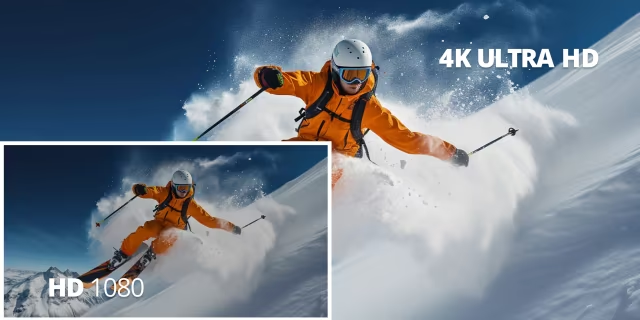
Streaming services frequently compress public videos to reduce bandwidth usage, which can affect sharpness and image quality. Some websites automatically generate preview clips from selected timestamps, while others rely on manually edited promotional videos. Public versions may also contain watermarks, restricted playback quality, or shortened segments that are removed after purchase.
Even browser performance, internet speed, and streaming settings can change how a preview looks. For this reason, the quality of a public teaser should not always be considered an exact representation of the purchased version.
Information Around the Preview Can Be More Valuable Than the Preview Itself
The preview itself tells only part of the story. The information surrounding it often provides a clearer picture of what buyers will receive.
The listed runtime indicates whether the content is a short clip or a longer production. Product descriptions may explain available resolutions, downloadable formats, included extras, or platform-specific features. Tags and categories help identify the type of content, while recent buyer reviews may reveal whether the final product matches its promotional material.
Release dates can also be useful. Older previews sometimes remain online after creators update or replace the paid version, meaning the promotional clip may no longer represent the latest release.
Looking at these details together provides a more complete understanding than relying on the preview alone.
Viewing the Preview With Realistic Expectations
A preview and a paid release are designed for different purposes. One introduces the content, while the other delivers the complete production. Because of this, differences in pacing, editing, presentation, and available features should be expected rather than viewed as inconsistencies.
Instead of judging a purchase solely by a short promotional clip, it is more useful to consider the complete context, including the product description, runtime, platform features, and available buyer feedback. A preview works best as an introduction to the creator’s style, while the full release is intended to provide the complete viewing experience that the preview only begins to represent.